Mastering Modern People Management: Shifting from Supervisory Control to Human Empowerment
Traditional management relies on compliance and oversight. Modern high-performance organizations thrive when leaders cultivate psychological safety, emotional intelligence, and proactive accountability.
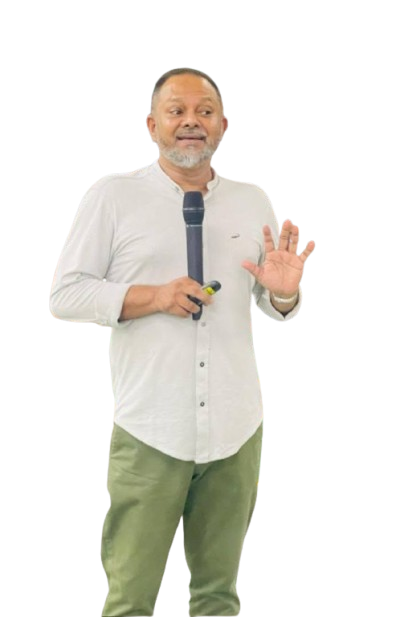
Sanjeewa Bogodage
HR Consultant & Corporate Trainer
Mastering Modern People Management: Shifting from Supervisory Control to Human Empowerment
In fast-paced industrial landscapes—from apparel conglomerates to high-velocity FMCG supply chains—the defining differentiator between stagnation and world-class productivity is never merely technological infrastructure. It is people architecture.
During my consultancy tenure across leading organizations such as the Brandix Group and lectureships at CIPM and HRMI, one persistent pattern surfaces: Managers are often promoted for functional expertise, yet they struggle when tasked with inspiring human behavior.
1. The Trap of Mechanical Oversight
Historically, industrial supervision favored transactional metrics: attendance timecards, rigid task compliance, and reactive disciplinary interventions. However, the contemporary workforce demands a fundamental shift:
"True authority is not granted by hierarchical titles; it is earned through clarity of expectations, empathy, and consistent behavioral alignment."
When teams perceive their managers strictly as inspectors rather than enablers:
- Discretionary effort evaporates: Employees deliver the bare minimum required to satisfy basic KPIs.
- Innovation is suppressed: Fear of judgment prevents operators and associates from surfacing operational bottlenecks.
- Attrition surges: Talented personnel migrate toward cultures where autonomy and developmental feedback are prioritized.
2. Core Pillars of Behavioral People Management
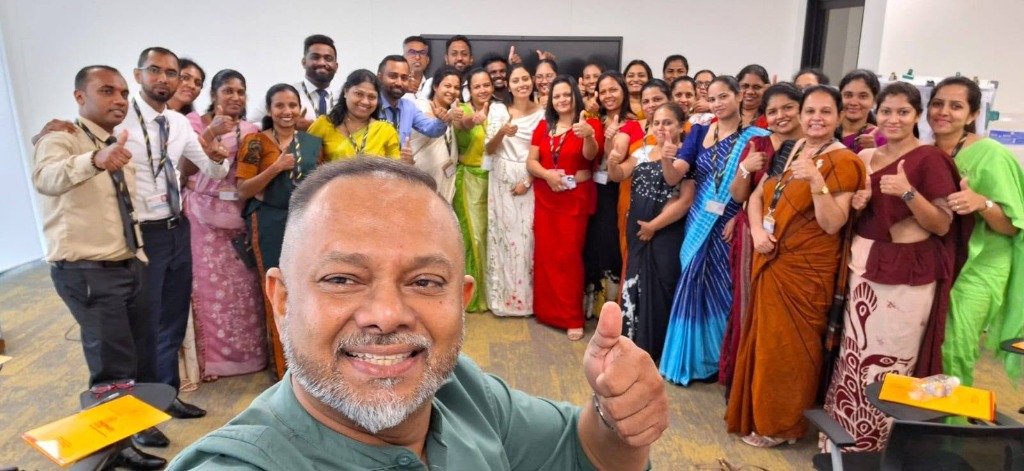
Through years of facilitating experiential training workshops across Sri Lanka and regional enterprises, I emphasize three actionable behavioral pillars:
A. Intentional Active Listening
Listening in leadership is not merely waiting for the other person to finish speaking. It requires paying attention to non-verbal cues, underlying anxieties, and unarticulated aspirations. When supervisors listen with intention, employee resistance transforms into proactive collaboration.
B. The 5:1 Recognition-to-Correction Ratio
High-impact teams require positive reinforcement to sustain high engagement. When feedback is exclusively punitive, team members develop risk aversion. By acknowledging micro-milestones and continuous improvements, supervisors anchor positive workplace habits.
C. Psychological Safety on the Production Floor
Whether overseeing 2,000 apparel sewing operators or a specialized financial reporting unit, errors will occur. Leaders who distinguish between careless negligence and honest operational oversights establish an environment where team members immediately flag issues before they cascade into costly defects.
+----------------------------------------------------------------+
|                     Modern People Leadership                   |
|                                                                |
|  [Clarity of Vision]  -->  [Empathetic Guidance]  -->  [Results] |
|           |                        |                     |     |
|   Clear Goals & KPIs       Psychological Safety      Sustained |
|   Role Transparency        Active Recognition        Excellence|
+----------------------------------------------------------------+
3. Real-World Workplace Application
To bridge the gap between classroom theory and real-world floor dynamics:
- Conduct 10-Minute Morning Huddles: Instead of standard role calls, focus on: "What is our primary goal today, and what obstacle can I clear for you?"
- Implement Two-Way Feedback Loops: Ask your team regularly: "What is one process that slows down your daily output?"
- Celebrate Behavior Over Just Results: When a team member demonstrates exceptional teamwork or integrity, praise the underlying behavior publicly.
Key Takeaway
Empowering people does not mean lowering performance expectations—in fact, it raises them. When associates feel respected, understood, and equipped with the right tools, operational excellence ceases to be an enforced mandate and becomes a shared standard of pride.
Sanjeewa Bogodage
HR Consultant for Brandix Group • Visiting Lecturer at CIPM & HRMI
Multi-Award-Winning Corporate Trainer awarded the Most Outstanding Corporate Trainer Of The Year 2026 (Shramabhimani Awards) and Most Outstanding HR Trainer of the Year 2025 (People's Excellence Award). Certified Toastmaster, Lean Practitioner, and Compliance Auditor.
Continue Reading
All ArticlesThe Triple Anchor: Merging Confidence, Precision Communication, and Authentic Presence
Communication is not just about words; it is the strategic convergence of vocal clarity, posture, and psychological resonance that commands attention in boardrooms and auditoriums.
Shop Floor to Boardroom: High-Impact Supervisory Excellence in Fast-Paced Manufacturing
Frontline supervisors represent the critical link between corporate strategy and factory execution. Learn how Lean principles and proactive leadership drive world-class plant efficiency.
Why Theory-Heavy Training Fails: Architecting Behavior-Driven Corporate Transformation
Sitting through 80 slides of abstract theory creates zero lasting change. Real corporate transformation happens when experiential simulations, psychological hooks, and high-energy fun meet practical workplace reality.