Shop Floor to Boardroom: High-Impact Supervisory Excellence in Fast-Paced Manufacturing
Frontline supervisors represent the critical link between corporate strategy and factory execution. Learn how Lean principles and proactive leadership drive world-class plant efficiency.
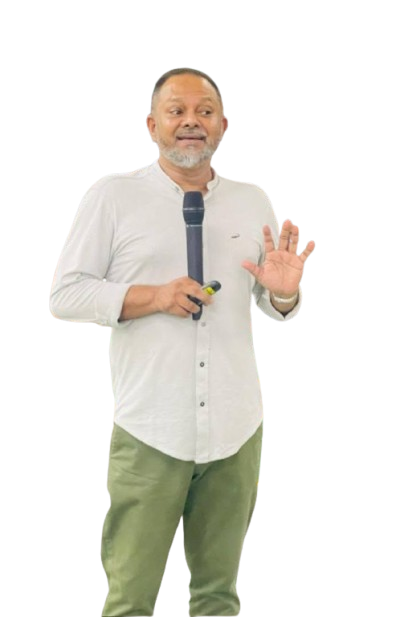
Sanjeewa Bogodage
Lean Practitioner & Compliance Auditor

Shop Floor to Boardroom: High-Impact Supervisory Excellence in Fast-Paced Manufacturing
In the apparel and manufacturing sectors, organizational success is determined on the production floor. As a Lean Practitioner and Certified Compliance Auditor, I frequently observe that multi-million dollar investments in machinery fail to achieve targets when the frontline supervisory tier is undertrained or unsupported.
The Pivot from Technical Operator to People Leader
The vast majority of manufacturing supervisors are promoted because they were the most skilled machine operators, line mechanics, or pattern technicians. Yet, the moment they receive a supervisor badge, their core job changes completely:
- Old Skillset: Working directly with machines, raw materials, and tools.
- New Skillset: Coaching people, resolving interpersonal conflicts, and managing production flow.
Without dedicated supervisory training, new leaders default to frustration or attempt to perform every task themselves.
4 Pillars of Shop-Floor Supervisory Mastery
1. Visual Gemba Walk
Supervisors cannot manage from an enclosed office. A disciplined daily Gemba Walk allows supervisors to:
- Spot line bottlenecks before backlogs compound.
- Verify 5S compliance and ergonomic safety standards.
- Engage frontline associates with direct positive recognition.
2. Root Cause Problem Solving (5 Whys)
When a quality defect or machine downtime occurs, an effective supervisor resists the temptation to blame an individual. Instead, they apply root cause analysis:
Why did line 4 stop? A needle broke.
Why did the needle break? The thread tension was too high.
Why was the tension high? It wasn't calibrated during changeover.
Why wasn't it calibrated? The standard operating procedure (SOP) sheet was misplaced.
Why was it misplaced? No visual shadow board was installed at the station.
Solving the system cures the symptom permanently.
3. Process Re-Engineering and Lean Elimination of MUDAs
Eliminating the 7 wastes (Transportation, Inventory, Motion, Waiting, Overproduction, Over-processing, and Defects) requires frontline vigilance. Supervisors trained in lean thinking constantly streamline layout transitions and shave off wasted motion.
4. Fair and Consistent Team Discipline
Respect is earned when supervisors treat every team member fairly without favoritism, adhering to certified compliance standards and compassionate human dignity.
Sanjeewa Bogodage
HR Consultant for Brandix Group • Visiting Lecturer at CIPM & HRMI
Multi-Award-Winning Corporate Trainer awarded the Most Outstanding Corporate Trainer Of The Year 2026 (Shramabhimani Awards) and Most Outstanding HR Trainer of the Year 2025 (People's Excellence Award). Certified Toastmaster, Lean Practitioner, and Compliance Auditor.
Continue Reading
All ArticlesMastering Modern People Management: Shifting from Supervisory Control to Human Empowerment
Traditional management relies on compliance and oversight. Modern high-performance organizations thrive when leaders cultivate psychological safety, emotional intelligence, and proactive accountability.
The Triple Anchor: Merging Confidence, Precision Communication, and Authentic Presence
Communication is not just about words; it is the strategic convergence of vocal clarity, posture, and psychological resonance that commands attention in boardrooms and auditoriums.
Why Theory-Heavy Training Fails: Architecting Behavior-Driven Corporate Transformation
Sitting through 80 slides of abstract theory creates zero lasting change. Real corporate transformation happens when experiential simulations, psychological hooks, and high-energy fun meet practical workplace reality.